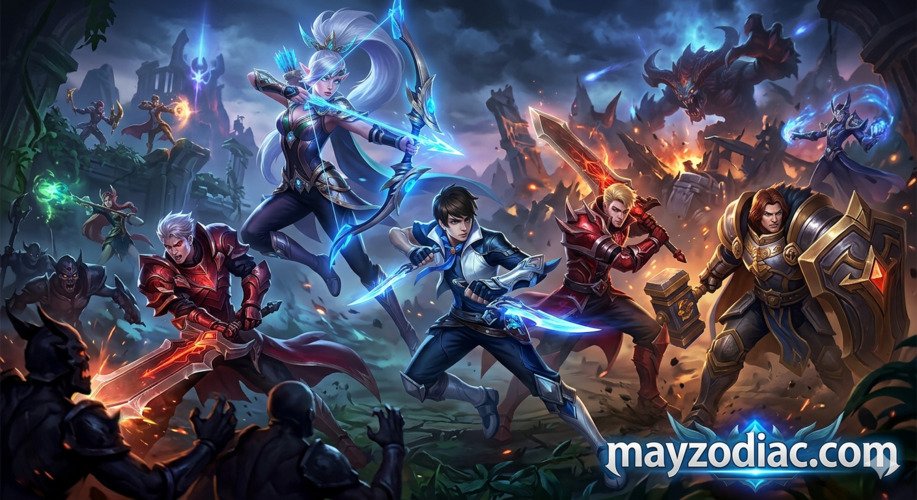
Understanding Attribute-Based Abilities and Their Influence on Combat
mayzodiac.com – In Mobile Legends: Bang Bang, combat effectiveness depends on more than a hero’s current health and the damage displayed during an attack. Attributes such as movement speed, attack speed, physical or magical power, and defensive statistics can influence how effectively a hero performs throughout a match. Some abilities temporarily change these attributes, weaken opponents, or grant the user additional benefits after interacting with an enemy. When facing such mechanics, players must understand how changes to combat statistics influence the exchange instead of relying entirely on their usual damage expectations.
An attribute-altering ability can affect the pace and outcome of an engagement without immediately eliminating anyone. An enemy who reduces a player’s movement speed may make it harder to escape a dangerous area, while an attack-speed reduction can weaken the output of a hero who relies on repeated basic attacks. Other effects may improve the user’s offensive or defensive performance under specific conditions. The exact consequences depend on the ability involved, so players should identify the actual mechanic before deciding how to respond.
The important distinction is between losing an attribute and receiving ordinary damage. A player whose health decreases may need to retreat, heal, or avoid another attack. A player whose movement speed or attack speed is reduced may need to change positioning or alter the way they approach combat. Treating these situations identically can produce poor decisions. For example, attempting to escape with the same movement pattern after a substantial slow may leave the player exposed for longer than expected.
Attribute changes can also influence the relative strength of a matchup. A marksman who temporarily loses attack speed may struggle to maintain pressure against a durable opponent, while a fighter who loses movement speed may find it harder to reach a vulnerable target. If the enemy simultaneously gains an advantage, the difference can become more significant. Players should therefore pay attention to effects that alter both sides of an exchange, especially when an opponent becomes stronger as the player becomes weaker.
Understanding these mechanics begins with observation. Players should examine enemy ability descriptions, watch for relevant visual indicators, and learn whether an effect is immediate, temporary, conditional, or dependent on repeated hits. This knowledge makes it easier to identify when a familiar combat pattern is no longer appropriate. Rather than assuming that the hero will perform exactly as expected, the player can adjust their actions according to the current state of their attributes.
Ultimately, attribute awareness allows players to understand why a fight may suddenly feel different. When a hero’s normal movement, attack frequency, or defensive capability changes, the best response may involve changing distance, waiting for the effect to expire, or choosing another target. Recognizing these changes early helps prevent small disadvantages from becoming decisive mistakes.
Distinguishing Temporary Debuffs From Permanent Equipment Differences
Not every difference in combat performance comes from an enemy ability. Equipment, levels, emblems, and other match conditions can create substantial differences between heroes. A player who suddenly deals less damage may be affected by a defensive item, a temporary debuff, or a difference in level rather than an ability that steals attributes. Identifying the source of the change is important because each cause requires a different response.
Temporary debuffs often have a recognizable duration or condition. A slow may disappear after a short period, while an attack-speed reduction may remain active only during a specific interaction. When the effect ends, the player’s normal performance may return without any additional action. In that situation, surviving the dangerous period and avoiding unnecessary commitment may be more useful than immediately changing the entire equipment build.
Equipment differences require a broader evaluation. If an enemy has invested heavily in defense, repeated attacks may produce less damage even when the player’s own attributes remain unchanged. If the opponent has gained offensive equipment, the increased threat may persist throughout the match rather than disappearing after one ability cycle. Players should review visible enemy purchases and consider whether their own equipment remains appropriate for the matchup.
Levels also influence the interpretation of combat statistics. A hero who is ahead in experience may possess stronger abilities or improved attributes that make direct confrontation unfavorable. Mistaking this advantage for a temporary debuff can lead a player to wait for an effect that will not disappear. Conversely, assuming that a temporary reduction reflects a permanent equipment disadvantage may cause unnecessary caution.
Players should pay attention to the sequence of events. If performance changes immediately after a specific ability lands, a temporary effect may be responsible. If the difference persists across several encounters, equipment, levels, or other sustained factors may deserve closer inspection. These observations are not always conclusive, but they provide a useful starting point for understanding the situation.
This distinction also helps players communicate more accurately. Instead of simply saying that an opponent has become stronger, teammates can identify the relevant threat, such as a movement-speed reduction or a defensive equipment advantage. Clear information makes it easier for the team to choose a response that addresses the actual problem.
A strong player does not react to every unfavorable exchange by changing targets or abandoning the fight. They first determine why the exchange has become unfavorable. By distinguishing temporary attribute effects from sustained differences in equipment and progression, players can respond more efficiently and avoid making unnecessary adjustments.
Identifying When an Enemy Gains More Value From Prolonged Combat
Some attribute-based mechanics become more influential as an engagement continues. An enemy may gradually gain an advantage through repeated interactions, while the opposing hero becomes less effective under the same conditions. In such situations, continuing a fight simply because it began favorably can be a mistake. Players need to evaluate whether the current exchange is becoming more beneficial to the opponent with every passing moment.
The first consideration is the duration of the effect. If the opponent’s advantage depends on remaining close to a target or repeatedly landing attacks, the player may be able to reduce its value by creating distance. If the effect is triggered only once and then expires, waiting for the dangerous period to end may be sufficient. The correct response depends on the specific mechanic rather than a universal rule about extended fights.
Hero roles also influence the decision. A durable fighter may be comfortable remaining in combat while a fragile mage or marksman may lose the exchange quickly after their key attributes are reduced. Players should consider how much time their hero needs to produce meaningful damage and whether the enemy’s mechanic interferes with that timing. A hero who relies on a short burst may have a different opportunity from one who needs a long sequence of basic attacks.
Health and available abilities should be evaluated alongside attribute changes. An enemy may gain an offensive advantage but remain vulnerable because they have low health or have spent an important defensive skill. Alternatively, a seemingly small attribute change may become dangerous when combined with crowd control or allied damage. Looking at the complete situation prevents players from overestimating one mechanic while ignoring other important factors.
Players should also recognize when disengagement creates a better opportunity for a later fight. Moving away can allow a temporary effect to expire, restore a favorable distance, or provide time for teammates to arrive. This is not necessarily a loss of pressure. If the opponent’s strength depends on a prolonged exchange, refusing to remain in that exchange can prevent the enemy from gaining the advantage they want.
The central principle is to evaluate the direction of the fight, not merely its current appearance. If an opponent’s advantage is increasing and the player’s ability to respond is decreasing, a change in approach may be necessary. Recognizing this trend early allows players to preserve resources and return when the conditions are more favorable.
Adjusting Lane Trades When Combat Statistics Change
The laning phase offers repeated opportunities to observe attribute-altering abilities and understand their practical effects. Opponents may use these skills to weaken a player’s trading potential, prevent an escape, or create an opening for additional attacks. Because lane encounters often repeat under similar conditions, players can learn the enemy’s timing and develop a more reliable response instead of making the same mistake after every activation.
A player should first identify which attribute is being affected. If movement speed is reduced, the immediate priority may be maintaining a safer position and avoiding an extended chase. If attack speed is reduced, continuing a basic-attack exchange may become less efficient. If an ability changes offensive or defensive power, the player should consider whether their normal damage expectations still apply. Understanding the affected attribute helps determine whether to continue trading, retreat briefly, or change the approach.
Minion-wave management can provide a useful alternative to direct combat. If an enemy activates an important ability to weaken the player, the player may be able to focus on collecting minions safely until the effect ends. This preserves resources while allowing the opponent to spend time without gaining a meaningful elimination. However, players should still consider the state of the wave and the possibility of an enemy jungle rotation before deciding to remain in the lane.
Players should avoid treating every temporary disadvantage as a reason to abandon all aggression. If the enemy’s ability has already been used and the effect is about to expire, the player may have an opportunity to regain pressure. The key is to recognize the difference between an active disadvantage and the period after it ends. Attacking at the wrong moment can produce an unfavorable exchange, while waiting until the opponent has fewer options can create a better opportunity.
Health management also matters. A player who has already taken substantial damage should be more cautious about entering another exchange while an attribute reduction remains active. A healthier hero may be able to tolerate a brief disadvantage to secure an important minion or maintain lane control. The decision should reflect the potential benefit and the risk of being forced to recall.
As players gain experience, they can begin anticipating these effects before they occur. If an opponent consistently uses a debuff whenever the player approaches the wave, changing the timing or angle of the approach may reduce the enemy’s effectiveness. This creates pressure through adaptation rather than simply trying to outdamage an ability that is designed to weaken the player.
Coordinating Teamfights Against Attribute-Altering Heroes
Teamfights become more complicated when an enemy can weaken several opponents or gain an advantage by affecting a particular target. Players must understand which teammate is most vulnerable to the effect and whether the best response is to protect that hero, pressure the enemy, or redirect attention toward another target. A coordinated response is usually more effective than several players reacting independently.
Damage dealers should evaluate whether their primary combat pattern remains effective. A marksman affected by an attack-speed reduction may need to reposition or avoid a prolonged exchange until the effect ends. A mage whose movement is restricted may need assistance reaching a safer position. Rather than continuing the same sequence automatically, players should adapt their actions to the changed conditions.
Frontliners can help by controlling access to vulnerable teammates. If an enemy relies on close proximity to apply a debuff, a tank or fighter may be able to prevent the opponent from reaching the backline. This does not require blindly chasing the enemy. Maintaining a useful position and threatening an approach can reduce the opponent’s freedom while preserving protection for allied damage dealers.
Supports should pay attention to the timing and duration of relevant effects. If a teammate becomes vulnerable because an important attribute has been reduced, defensive abilities may help them survive until the effect ends. However, using every defensive resource immediately can leave the team exposed to a later initiation. The support should assess the seriousness of the threat and whether the affected teammate can reposition safely without additional assistance.
Target selection should remain flexible. If an enemy gains a strong advantage against one hero, the team may be able to pressure a different opponent while avoiding the unfavorable exchange. In other situations, eliminating the attribute-altering hero may be necessary because the ability is disrupting the entire formation. The correct choice depends on accessibility, remaining enemy resources, and the importance of the affected target.
Communication makes these decisions easier. A short warning can inform teammates that an important debuff is active or that a particular hero needs protection. This allows the team to adjust its spacing, redirect damage, and avoid committing several resources to an exchange that currently favors the opponent.
A successful teamfight does not require every hero to continue attacking at maximum intensity. It requires players to recognize changing conditions and preserve the ability to respond. By adapting their positioning, target selection, and defensive timing, teams can reduce the impact of attribute-based abilities and create opportunities to regain control.
Protecting Turtle, Lord, and Defensive Structures From Attribute Disruption
Objective contests often involve sustained pressure, restricted movement, and several heroes attempting to control the same area. Attribute-altering abilities can become particularly disruptive in these situations because they may weaken the jungler, slow a defender, or reduce the effectiveness of a hero who is responsible for protecting the objective. Players should consider these effects before committing to an objective attempt rather than reacting only after the team has already lost its formation.
Before starting Turtle or Lord, the team should assess which opponents can interfere with the secure attempt. If an enemy can reduce the jungler’s movement or combat effectiveness, teammates may need to control that opponent’s approach. Maintaining a safe route and preventing unnecessary disruption can be more valuable than having every hero attack the objective simultaneously.
The jungler should also understand how an active attribute effect may influence the secure attempt. If the hero’s ability to approach, reposition, or contest the objective has been compromised, the team may need to delay briefly or protect the jungler while the effect expires. Retribution remains an important resource, but successful objective control also depends on whether the jungler can remain in a suitable position when the objective reaches a critical health level.
Teammates can create space by pressuring the enemy heroes who are most capable of interrupting the secure. However, they should avoid chasing too far from the objective or abandoning the formation needed to protect the jungler. A controlled defensive arrangement gives the team more options if the enemy attempts to initiate while the objective is being attacked.
Late-game defense requires similar awareness. If an enemy weakens a defender’s movement speed or attack speed near a turret, the team may become less effective at clearing a wave or protecting a structure. Defenders should identify the effect and adjust their responsibilities when necessary. Another teammate may need to clear the wave, protect the affected hero, or pressure the enemy who is exploiting the debuff.
Attackers must also recognize that attribute changes can affect their own ability to maintain a siege. If the opposing team applies a significant debuff to a key damage dealer, continuing the push may become less effective. Repositioning, waiting for the effect to end, or changing the target of pressure can prevent the attack from losing momentum unnecessarily.
Objective control depends on more than damage output. Players must maintain access, protect essential roles, and respond to the enemy’s attempts to disrupt their capabilities. By recognizing attribute changes and adjusting responsibilities accordingly, teams can preserve their ability to secure objectives and defend important structures.
Conclusion Mobile Legends Attribute Steal Counterplay: Protecting Your Combat Strength Against Adaptive Enemies
Attribute-based counterplay in Mobile Legends requires players to understand how changes in movement speed, attack speed, offensive power, and defensive statistics affect combat. These mechanics can alter an engagement without immediately eliminating a hero, making them easy to underestimate. Players who continue using the same combat pattern after their attributes change may expose themselves to unnecessary danger or lose opportunities to respond effectively.
The first step is identifying the actual effect. Players should distinguish temporary debuffs from equipment differences, level advantages, and other sources of changing performance. Understanding the ability’s duration, conditions, and potential secondary effects makes it easier to choose an appropriate response. Accurate recognition prevents players from wasting time waiting for a permanent disadvantage to disappear or attacking when a temporary effect still creates a serious threat.
Timing is equally important. Some attribute effects become more dangerous during extended combat, while others create only a brief opportunity for the opponent. Players should evaluate whether remaining in the fight is beneficial, whether creating distance will reduce the enemy’s advantage, and whether a different target offers a safer opportunity. The correct decision depends on the hero, the matchup, and the current state of the battle.
During the laning phase, these principles help players manage health, preserve access to minions, and avoid unfavorable trades. In teamfights, they encourage better communication, more deliberate target selection, and improved protection for vulnerable teammates. Around Turtle, Lord, and defensive structures, they help teams maintain their formation and protect the heroes whose responsibilities are essential to the objective.
Players should also remember that an attribute-altering ability is only one part of the encounter. Positioning, equipment, levels, crowd control, and teammate support can all influence the outcome. A player who focuses exclusively on one debuff may overlook a more immediate threat or fail to recognize an opportunity created by the enemy’s remaining limitations.
Consistent improvement comes from observing ability interactions and reviewing difficult encounters. Players can identify which effects repeatedly cause problems, learn when those effects are active, and practice changing their approach before the disadvantage becomes decisive. Over time, this knowledge creates more reliable decisions and reduces the tendency to fight automatically under unfavorable conditions.
Ultimately, attribute counterplay is about understanding how combat conditions change and responding before those changes dictate the result. When players recognize the source of an enemy’s advantage, preserve their own resources, and adapt their tactics to the situation, they can maintain stronger control over individual encounters and contribute more effectively to their team’s overall strategy.